

What Sony & Rockstar’s GTA 6 Launch Architecture Teaches Us About High Stakes Releases
Tonight at midnight, millions of consoles unlock Grand Theft Auto VI at the exact same moment. Players have spent years waiting for this release. Yet behind the scenes, Sony and Rockstar Games have spent the past week executing one of the strictest technical launch lockdowns in software history.
They are protecting a massive investment. Reports estimate the game cost over $1 billion to build and has already crossed $1 billion in pre orders before a single player even reaches the title screen. When the stakes are that high, hope is not a launch strategy.
Most enterprise engineering teams treat security checks like speed bumps you can wave past to hit a deadline. Sony and Rockstar took the opposite path. They wired security enforcement directly into the release architecture.
Here is what their midnight launch lockdown teaches enterprise software teams about shipping high stakes code without getting breached.
Table of Contents
1. Hard Release Gates Over Grace Periods
Yesterday, with less than 48 hours before launch, Sony pushed out PlayStation 5 system software update 26.07 14.23.00. The 1.27 GB patch brought zero new dashboard features. It arrived right after a hacker claimed to have extracted a game binary from an older firmware version.
Normally, console makers give players a grace period to install routine updates while still letting them launch offline games. Not tonight. PlayStation Support confirmed that firmware 14.23.00 is mandatory to start GTA 6. If a console does not have the patch installed by midnight, the game simply will not boot. No grace period. No exceptions.
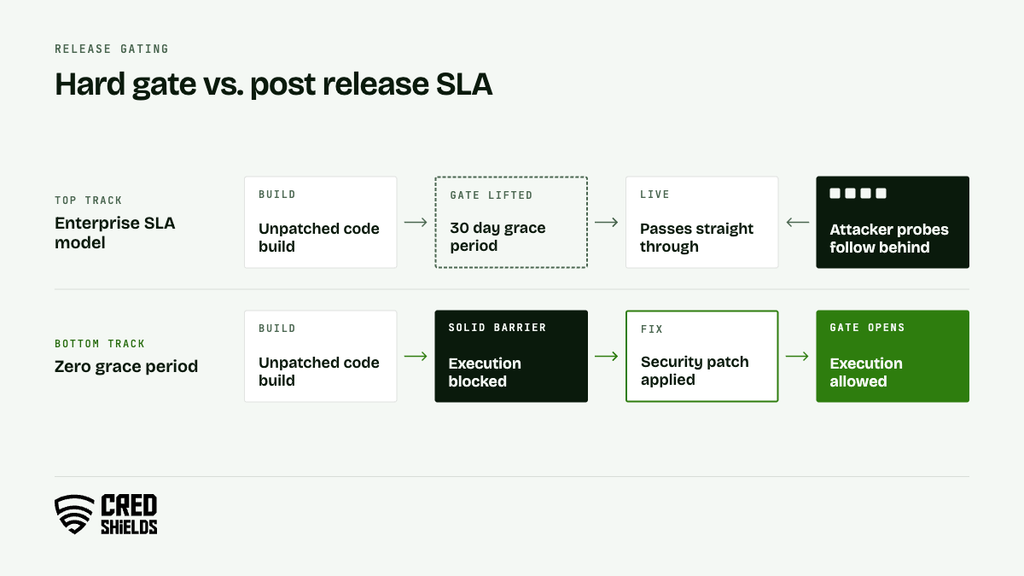
Enterprise software teams do the exact opposite. When a critical feature is due on Friday, teams routinely bypass security findings and promise to fix them under a 30 day or 90 day service level agreement. Those post release promises rarely hold up. Research from Veracode in its State of Software Security Report shows that the average time to fix a flaw in traditional workflows stretches to 298 days.
A vulnerability left open after launch is an open door. If an unpatched environment can still execute your application, attackers have all the time they need to probe it. High stakes releases require hard automated gates, blocking builds or runtime execution until critical flaws are patched and proven closed.
2. Phased Attack Surface Exposure
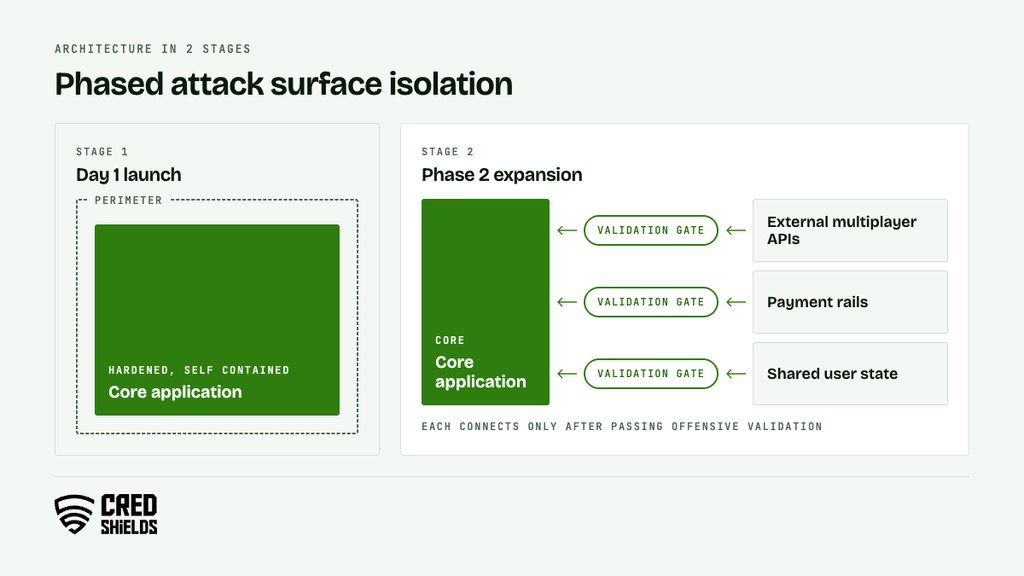
Rockstar is launching GTA 6 tonight strictly as a single player experience. The sprawling multiplayer economy and live service backend, widely expected to arrive as GTA 6 Online, are being held back until late 2027.
Look at the risk difference between those two modes. A single player campaign runs locally inside a locked console sandbox. It does not process real time player to player network packets, shared in game currency transactions, or persistent cloud state across millions of concurrent sessions. By isolating the base game from the live multiplayer backend, Rockstar cut off its largest attack surface on day one.
Enterprise engineering teams often make the mistake of shipping everything at once. They launch a new core product alongside public APIs, third party webhooks, payment rails, and user generated upload features on the very first day. The OWASP API Security Top 10 ranks Broken Object Level Authorization as the top threat to modern APIs because exposed endpoints let attackers manipulate shared backend state.
When you expose every networked interface before your core logic is battle tested, one small flaw in a secondary feature can compromise the entire platform. Phasing your architecture, isolating core business logic first and validating networked APIs under real offensive testing before opening them to the public, keeps day one blast radius under control.
3. Eliminating Physical and Supply Chain Leak Vectors
In past console generations, early street date leaks almost always came from pressed Blu ray discs slipping out of warehouses weeks before launch. Once a physical disc is in the wild, anyone with a modified console can dump the files and inspect the code before launch day.
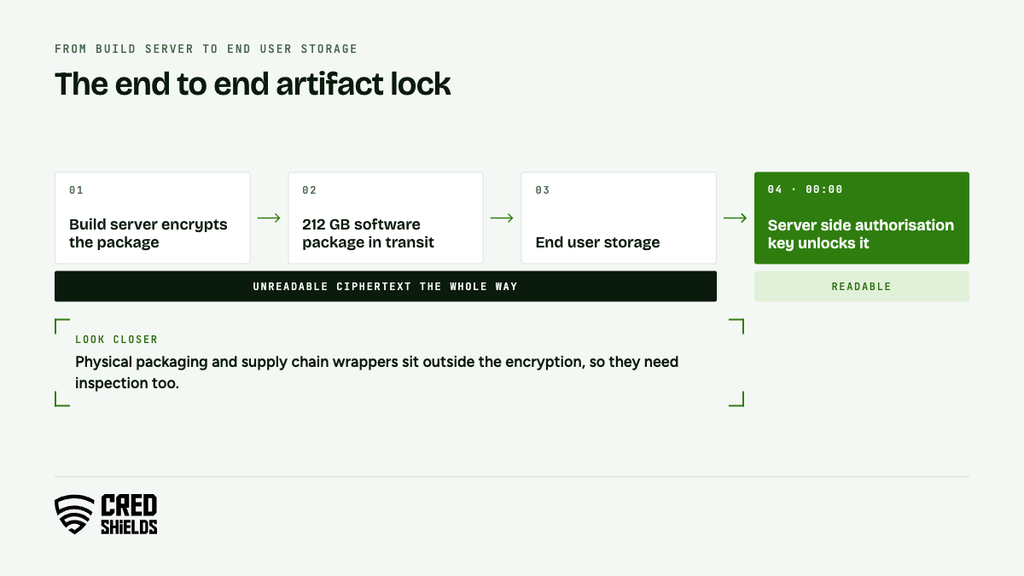
Rockstar eliminated that entire supply chain leak vector. Even boxed retail copies of GTA 6 shipping this week contain zero game discs, only a printed download voucher inside the case. Meanwhile, digital buyers who pre loaded the massive 212 GB installation starting November 10 received encrypted data blocks that remain completely locked until a server side cryptographic check fires at midnight.
Even so, this rollout proved that supply chains require end to end verification. Days before launch, buyers noticed that shining a bright light through the retail packaging revealed the printed voucher codes inside. The digital encryption held strong, yet a small physical oversight exposed a weak link in the chain.
Enterprise CI/CD pipelines face the exact same risk. Shipping unencrypted build artifacts, leaving API keys inside client side bundles, or storing sensitive configuration files in staging repositories gives attackers a blueprint of your application before it ever goes live. Build artifacts should remain signed, encrypted, and stripped of secrets, with activation keys and sensitive logic held strictly server side until verified release.
Security Is the Prerequisite for the Unlock Key
High visibility launches fail when security is treated as an afterthought to be cleaned up after go live. Data from the National Institute of Standards and Technology shows that static scanners can miss logic flaws while flooding teams with false positive rates up to 78%. Relying on noisy scans or post launch promises leaves your release exposed right when traffic peaks.
Whether you are unlocking a billion dollar game, a fintech payment rail, or a new enterprise API, your release architecture needs the same discipline. Bring autonomous offensive testing inside your pipeline, validate that real exploit paths are closed before launch, and treat verified security state as a hard prerequisite for the unlock key.